How to Find Your Perfect Newsletter Niche: The Ultimate Guide for 2026
In today's overcrowded newsletter landscape, the advice to "find your niche" isn't just helpful—it's essential for survival. With millions of newsletters competing for attention, a well-defined niche is your secret weapon for standing out, building a dedicated audience, and ultimately creating a valuable digital asset. But finding that perfect intersection of passion, expertise, and market demand can feel overwhelming.

This comprehensive guide will walk you through a proven, step-by-step process to discover and validate your ideal newsletter niche—one that energizes you while attracting subscribers who can't wait to open your emails.
1. Start With Your Passion and Expertise Intersection
The foundation of a sustainable newsletter is the overlap between what you love and what you know. This intersection creates the fuel that will power your publishing consistency when motivation inevitably wanes.
Action Steps:
Create a two-column list - In the first column, write down topics you genuinely enjoy discussing, researching, and thinking about. In the second, list areas where you have credible expertise or unique perspectives.
Identify overlap points - Circle the topics that appear in both columns—these represent the sweet spot where your enthusiasm meets your knowledge.
Consider content sustainability - Ask yourself: "Could I write about this topic every week for the next two years without getting bored?" Be brutally honest here.
Sustainability Test: If you've been talking about this topic for free with friends, sharing insights on social media without prompting, or staying up late researching it just for fun—you've likely found a passion that can sustain a newsletter.
2. Drill Down to a Specific Sub-Niche
Broad topics create forgettable newsletters. The riches are in the niches—specifically, in the sub-niches that allow you to become the definitive voice in a clearly defined space.
The Niche Refinement Framework:
Start with a general interest area, then narrow down through these layers:
- General Topic → Specific Subcategory → Unique Angle or Audience
Examples of successful niche refinement:
- Broad: Marketing → Refined: Email Marketing → Specific: Email Automation for E-commerce
- Broad: Investing → Refined: Value Investing → Specific: Value Investing for Millennials
- Broad: Health → Refined: Mental Wellness → Specific: Burnout Prevention for Healthcare Workers
- Broad: Food → Refined: Baking → Specific: Gluten-Free Sourdough Techniques
Specificity Test: If you can immediately name your direct "newsletter competitors" in your chosen niche, you're still too broad. Keep refining until you can say, "I'm the only newsletter that focuses specifically on ____."
3. Validate Market Demand and Viability
Passion alone doesn't guarantee subscribers. Before committing, verify that a sufficient audience exists who actively seeks information on your chosen topic.
Validation Methods:
Keyword Research - Use tools like Ahrefs, Semrush, or even Google's free Keyword Planner to assess monthly search volume around your niche topics. Look for terms with 1,000+ monthly searches.
Community Analysis - Identify active communities on Reddit, Facebook Groups, Discord servers, or forums dedicated to your niche. Active discussion indicates interest.
Competition Assessment - Analyze existing newsletters in adjacent spaces. Some competition validates demand, while too much might indicate saturation.
Audience Accessibility - Determine if your target audience is reachable. Are they active online? Do they read newsletters? Can you identify clear channels to reach them?
Monetization Potential - Consider whether subscribers in this niche have purchasing power and if there are relevant products, services, or sponsors aligned with the topic.
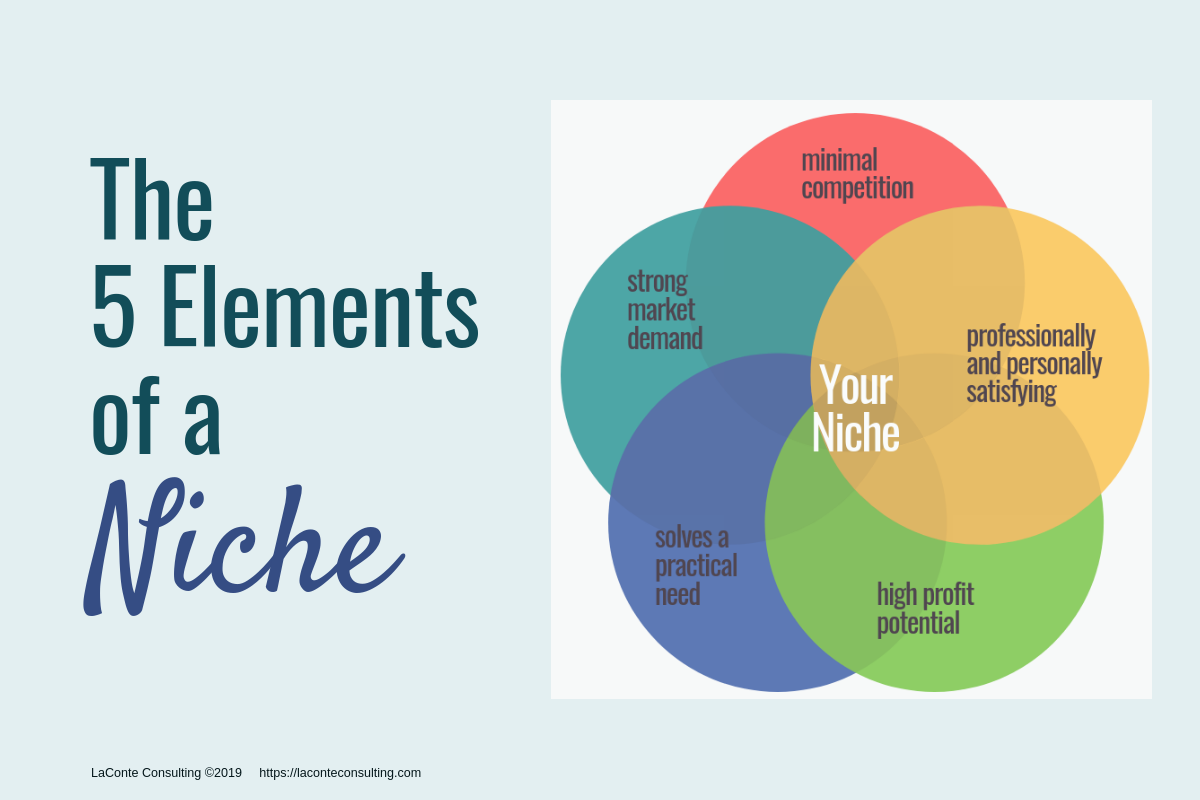
Viability Formula: The ideal newsletter niche combines sufficient audience size, reasonable competition (not zero, not oversaturated), clear monetization paths, and audience reachability.
4. Test and Refine Your Concept
Before fully committing, gather real-world feedback through controlled experiments that minimize time investment while maximizing learning.
Testing Approaches:
Create a Minimum Viable Newsletter - Publish 3-5 issues to a small test audience (even if it's just friends and colleagues) to gauge response.
Share Sample Content on Social Media - Post content snippets that would typically appear in your newsletter and track engagement.
Launch a Landing Page - Set up a simple signup page describing your newsletter concept and track conversion rates.
Conduct Audience Interviews - Speak directly with 5-10 potential subscribers to understand their needs, pain points, and information consumption habits.
Refinement Signal: Pay attention to which specific topics, angles, or formats generate the most enthusiasm. Often, your audience will show you the exact direction to take through their engagement.
5. Commit and Establish Your Unique Voice
Once you've validated your niche, commit to consistency while developing the distinctive perspective that will make your newsletter unmistakably yours.
Differentiation Strategies:
Develop a Signature Format - Create a recognizable structure that subscribers can anticipate (e.g., "3-2-1 Newsletter" with three ideas, two quotes, one question).
Establish a Clear Point of View - Take definitive stances on topics within your niche instead of trying to please everyone.
Use Personal Experience - Weave your unique background and experiences into your content to create connections impossible for competitors to replicate.
Create Proprietary Frameworks - Develop and name original concepts and approaches that subscribers will associate with your brand.
Commitment Strategy: Schedule your first 10 newsletter issues in advance, with clear topics for each. This creates momentum and prevents decision fatigue that leads to inconsistency.
The Newsletter Niche Success Cycle
Remember that finding your perfect niche isn't a one-time decision but an iterative process. The most successful newsletter creators regularly refine their focus based on subscriber feedback, emerging interests, and their own evolving expertise.
Start with a well-researched direction, commit to consistency, listen to your audience, and be willing to make strategic pivots. Over time, you'll develop the rare combination of specificity and authority that transforms casual readers into dedicated subscribers.
Related Articles
- How to Start a Newsletter
- Should Your Newsletter Go Broad or Niche?
- How Niche Positioning Increases Newsletter Value
- How to Write Quality Newsletters
Ready to calculate your newsletter's potential value once you've found your niche? Try our Free Newsletter Valuation Tool to understand what your audience could be worth to advertisers, sponsors, and potential acquirers.