Finding the Ideal Newsletter Frequency: Daily, Weekly, or Monthly?
When I first started researching newsletter publishing schedules, I expected to find a clear, data-backed answer: publish X times per week for maximum growth and engagement. I figured someone had done the definitive study and I'd just relay the findings. What I found instead was more interesting — and more complicated. The "ideal" frequency varies dramatically based on your niche, your audience's expectations, your content type, and honestly, your own capacity to produce consistently without burning out.
I've spent a lot of time analyzing different approaches, talking to creators at various stages, and looking at the data on what actually moves the needle. Here's what I've concluded — along with the reasoning behind it, so you can adapt these insights to your own situation rather than just copying a formula.
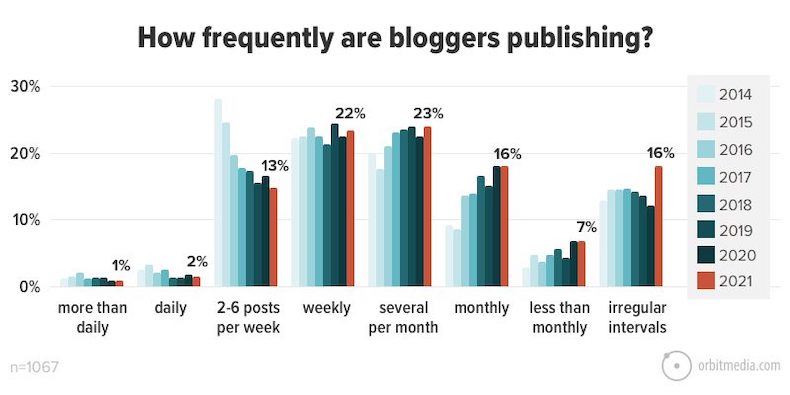
Daily Newsletters: The High-Visibility Play
I'll admit — daily newsletters intimidate me a little. The production demands are real, and the margin for error is thin. But I've come to respect the model deeply because, when it works, it works extraordinarily well. There's something powerful about becoming part of someone's morning routine, and daily publishing is the fastest path to that kind of habit formation.
Who Should Consider Daily Publishing
In my view, daily cadence makes the most sense for time-sensitive industries like finance, news, and market updates where yesterday's insights have a short shelf life. It's also well-suited for curated content formats — link roundups, quick tips, or brief analysis that don't require extensive original creation each day. Established creators with solid production systems can sustain this pace, as can newsletters that monetize through sponsorships, where frequent touchpoints directly drive higher ad rates.
What Makes Daily Work
The advantages are real: accelerated audience building (more sends means more sharing opportunities), stronger habit formation in readers, higher cumulative monthly engagement (even though per-issue open rates may dip), and faster testing cycles that let you iterate on content quickly.
Where Daily Gets Dangerous
Here's where I'd urge caution. Daily publishing demands robust production systems — you can't wing it five times a week and maintain quality. Consistency becomes a constant challenge, and reader overwhelm is a genuine risk if you're not careful about respecting inbox space. The data confirms this: daily emails typically see 10-15% lower per-issue open rates compared to weekly sends, which means your content needs to earn its place in the inbox every single day.
Daily Success Story: Morning Brew built a multi-million dollar media company through consistent, tightly-curated daily emails that became part of subscribers' morning routines. Their secret? Templated formats, a dedicated team, and content that quickly synthesizes essential industry news.
Here's what I think about daily publishing, bottom line: it's incredibly powerful for the right creator, but it's probably wrong for most people starting out. The production demands are easy to underestimate until you're three weeks in and staring at a blank screen on a Friday afternoon.
Weekly Newsletters: The Sweet Spot (for Most Creators)
If I had to recommend one default cadence for someone who asked "how often should I publish?", it would be weekly. I know that's not a hot take, but I think it's the right one for a reason — weekly balances all the key variables better than any other option for the majority of creators and audiences.
Who Weekly Works Best For
This cadence is ideal for solo creators and small teams who need time for quality content production alongside other responsibilities. It works for most newsletter categories — educational, entertainment, and industry-focused content all thrive at this pace. It's particularly well-suited for deeper analysis and insight that benefits from a week of thinking and research, and it supports mixed monetization models including both sponsorships and paid subscriptions.
The Weekly Advantage
Weekly emails average 20-40% open rates for engaged lists — significantly higher than daily sends. You get time to refine each issue, maintain a regular presence without overwhelming inboxes, and build a sustainable production schedule that doesn't require heroics.
What to Watch For
I've noticed that weekday selection matters more than many creators realize. Different niches perform better on specific days: Tuesday through Thursday generally see the highest open rates for B2B and educational newsletters, while lifestyle and entertainment content often peaks on Sunday evenings when readers are mentally preparing for the week. Competition for attention on popular send days is real, so testing your specific optimal day is worth the effort.
Weekly Optimization Tip: According to email delivery data, Tuesday, Wednesday, and Thursday generally see the highest open rates for most B2B and educational newsletters, while lifestyle and entertainment content often performs well on Sunday evenings when readers are preparing for the week ahead.
Here's my honest opinion: if you're unsure about frequency, start weekly. You can always increase cadence later once you've built systems and understand your audience's appetite. Going the other direction — scaling back from daily to weekly — is much harder because it feels like you're losing momentum.
Monthly Newsletters: The Premium Play
Monthly publishing is underrated, in my view. It gets dismissed as "too infrequent" by growth-oriented creators, but I think that critique misses what makes monthly powerful: it creates space for truly exceptional content and positions each issue as an event rather than a routine.
Who Should Go Monthly
This cadence shines for premium, long-form content — deep research, comprehensive analysis, or resource-intensive formats that genuinely need four weeks of preparation. It works well when your newsletter supports other primary content platforms (like a podcast or YouTube channel) and you want email to complement rather than compete. Seasonal or specialized topics where developments occur slowly are natural fits, as are subscription-based models where each issue delivers substantial exclusive value.
The Monthly Upside
I find the numbers here genuinely compelling. Monthly newsletters often see 30-50% open rates when properly positioned — the highest of any cadence. You get maximum production time, reduced creative pressure, and what I'd call "elevated perceived value" — monthly delivery naturally signals premium positioning because readers associate infrequency with exclusivity and thoroughness.
The Monthly Risk
The honest downside is that longer gaps between touchpoints risk your newsletter being forgotten. Growth is inherently slower with fewer sending opportunities, and each issue carries higher stakes for retention and engagement. I've seen this play out with creators who go monthly and then miss a month — the recovery curve is steep because the habit loop was fragile to begin with.
Monthly Excellence Framework: Successful monthly newsletters often combine their publishing schedule with supplemental touchpoints—such as social media updates or community engagement—to maintain connection between comprehensive issues.
My take: monthly can work brilliantly, but only if each issue is genuinely worth the wait. If your monthly newsletter reads like a slightly longer version of what others deliver weekly, the cadence works against you.
How to Determine Your Optimal Frequency: A Framework
Rather than copying someone else's schedule, I'd recommend working through these three steps systematically. This is roughly the process I walk through when advising creators on cadence decisions.
1. Audit Your Content Resources
Be brutally honest about your production capacity and sustainability. Ask yourself: How many hours weekly can I consistently dedicate to my newsletter — not during a motivated week, but during my busiest, most distracted periods? Do I have team members, tools, or workflows to streamline production? Is my content research-intensive or more readily available? What schedule can I realistically maintain for a year without burning out?
I think burnout risk is the most underweighted variable in this decision. The "ideal" frequency is worthless if you can't sustain it, and inconsistency damages trust faster than suboptimal cadence.
2. Analyze Your Audience Needs
Match your frequency to what your subscribers actually want and how they consume content. Survey your subscribers directly — you'll often be surprised by the answers. Review competitive cadences to understand norms in your niche. Consider your content's half-life (how quickly does your information become outdated?) and assess your readers' consumption habits.
In my experience, most creators overestimate how frequently their audience wants to hear from them. There's a self-serving bias at play — we assume our content is so valuable that more of it is always better. Usually, it isn't.
3. Test and Optimize
Here's what I think separates good newsletter operators from great ones: treating frequency as an evolving variable, not a permanent decision. Start conservatively with a cadence you can consistently exceed rather than occasionally miss. Monitor how frequency changes impact open rates, click-through rates, and unsubscribes. Gather qualitative feedback directly from subscribers. Consider seasonal adjustments — many successful newsletters vary cadence during different periods.
Mixed-Frequency Strategy: Some newsletters successfully implement hybrid approaches—such as a free weekly digest with paid monthly deep dives—to leverage the benefits of multiple frequencies while serving different subscriber segments.
The One Thing That Matters More Than Frequency
After all this analysis, here's what I keep coming back to: consistency outperforms frequency, every time. Meeting subscriber expectations about when they'll hear from you builds trust faster than any particular cadence choice. A predictable weekly newsletter will outperform an erratic daily or monthly one, period.
I've seen creators agonize over the perfect publishing schedule and then fail to stick to whatever they chose. That inconsistency does more damage than choosing a "suboptimal" frequency ever could. Create clear expectations around your publishing schedule, communicate it explicitly to subscribers, and then deliver with relentless consistency.
Your ideal frequency will likely evolve as your newsletter grows, your systems improve, and your understanding of your audience deepens. Start with what's sustainable, gather data on what works, and refine based on both metrics and the direct feedback your subscribers give you. The creators who win the frequency game aren't the ones who found the "perfect" schedule on day one — they're the ones who showed up consistently on whatever schedule they committed to.
Want to calculate how your newsletter frequency impacts your valuation? Try our Free Newsletter Valuation Tool to see how different publishing schedules affect your newsletter's market value.